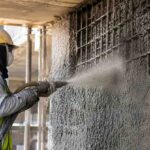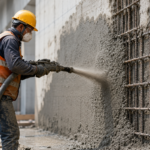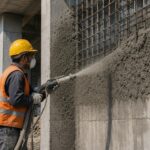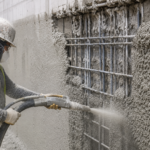





Structural repair is an investment in the safety, durability, and long-term performance of any building or infrastructure. Whether you’re restoring deteriorated RCC members, strengthening retaining walls, repairing industrial structures, or rehabilitating bridges, selecting the right guniting contractors plays a critical role in the project’s success.
Guniting is a specialized repair technique that requires skilled application, proper surface preparation, high-quality materials, and experienced execution. Even the best repair materials can fail if applied incorrectly. That’s why choosing an experienced guniting services provider is one of the most important decisions for project owners, consultants, facility managers, and civil engineers.
This guide explains the key factors you should evaluate before hiring a contractor for structural repair projects.
Why Choosing the Right Guniting Contractor Matters?
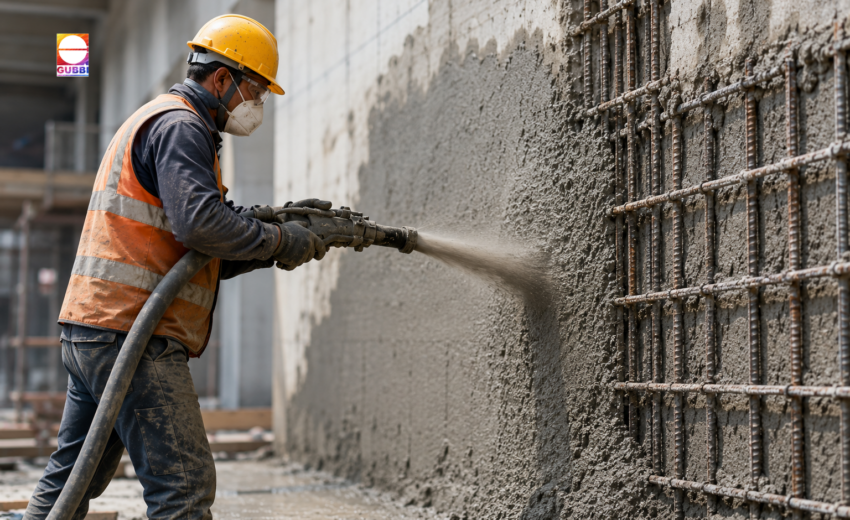
Guniting is far more than simply spraying mortar or concrete onto a damaged surface. It is a precision repair method that restores structural integrity while protecting reinforcement against further deterioration.
An experienced contractor ensures:
- Proper assessment of structural damage
- Correct repair methodology
- Excellent adhesion between old and new concrete
- Uniform concrete placement
- Reduced rebound and material wastage
- Improved durability
- Long service life of repaired structures
- Compliance with engineering standards
Hiring inexperienced contractors often results in:
- Weak bonding
- Hollow patches
- Surface cracking
- Moisture penetration
- Corrosion recurrence
- Frequent maintenance
- Increased repair costs
Professional execution minimizes these risks and delivers dependable, long-lasting repairs.
Understand the Contractor’s Experience in Structural Repair
Experience should always be your first evaluation criterion.
Not every concrete contractor specializes in structural rehabilitation. Look for companies with extensive expertise in:
- RCC structural repairs
- Concrete rehabilitation
- Building restoration
- Industrial repairs
- Infrastructure rehabilitation
- Bridge repair
- Water retaining structures
- Retrofitting projects
Guniting contractors understand how different structures behave and can recommend the most suitable repair methodology.
The more diverse their project portfolio, the more capable they are of handling complex structural challenges.
Verify Technical Expertise in Guniting Services
Professional guniting services require specialized knowledge and equipment.
Evaluate whether the contractor has expertise in:
- Dry mix guniting process
- Surface preparation techniques
- Reinforcement cleaning
- Corrosion treatment
- Concrete profiling
- Repair mortar selection
- Proper nozzle operation
- Layer thickness control
- Curing procedures
- Quality inspection
These technical aspects directly influence repair quality and structural durability.
Check Structural Assessment Process
Reliable contractors never begin repairs without first understanding the root cause of deterioration.
A professional assessment generally includes:
- Visual inspection
- Crack mapping
- Concrete sounding
- Reinforcement exposure evaluation
- Corrosion assessment
- Structural condition analysis
- Moisture investigation
- Repair methodology planning
This engineering-first approach ensures repairs address the underlying problem rather than merely covering visible damage.
Evaluate Equipment and Technology
Modern guniting equipment significantly improves repair quality.
Choose contractors using:
- High-performance guniting machines
- Reliable air compressors
- Moisture-controlled material feeding systems
- Quality spraying nozzles
- Concrete testing equipment
- Surface preparation tools
Advanced equipment provides:
- Better compaction
- Uniform application
- Reduced rebound
- Stronger bond strength
- Faster project completion
Technology directly impacts project efficiency and quality.
Review Previous Structural Repair Projects
Always request previous project experience before finalizing a contractor.
Review projects involving:
- Commercial complexes
- Industrial plants
- Chimneys
- Silos
- Bridges
- Water tanks
- Retaining walls
- Tunnels
- Parking structures
Project photographs, technical case studies, and client references provide valuable insight into the contractor’s expertise.
A proven track record demonstrates reliability and consistent project delivery.
Ensure Proper Surface Preparation Practices
Surface preparation determines whether repairs succeed or fail.
Professional guniting contractors should perform:
- Removal of loose concrete
- Cleaning contaminated surfaces
- Rust removal from reinforcement
- Repair of exposed steel
- Dust removal
- Surface roughening
- Bond coat application where required
Skipping these steps compromises repair performance regardless of material quality.
Assess Material Quality Standards
Quality repair depends on quality materials.
Reliable contractors use:
- Cement complying with applicable standards
- Properly graded aggregates
- Approved repair mortars
- Corrosion inhibitors when required
- Bonding agents
- Polymer modifiers
- Admixtures for improved performance
Material quality directly influences:
- Bond strength
- Durability
- Crack resistance
- Water resistance
- Service life
Never compromise on repair materials.
Look for Strong Quality Control Procedures
Professional contractors maintain quality throughout every project stage.
Their quality control process typically includes:
- Material inspection
- Mix proportion verification
- Surface preparation checks
- Application monitoring
- Thickness measurement
- Bond quality inspection
- Curing supervision
- Final structural evaluation
Consistent quality control minimizes defects and ensures dependable structural repairs.
Prioritize Safety Standards
Structural repair often involves working at height, confined spaces, industrial environments, and deteriorated structures.
Experienced contractors implement:
- Safety training
- PPE compliance
- Safe scaffolding systems
- Equipment inspections
- Work permits
- Hazard identification
- Emergency response planning
A strong safety culture protects both workers and project assets.
Consider Project Planning and Execution Capability
Professional guniting services providers deliver projects through structured planning.
Evaluate whether they provide:
- Detailed work methodology
- Repair sequence
- Project schedule
- Resource allocation
- Equipment planning
- Material management
- Progress reporting
- Completion timelines
Efficient planning minimizes downtime and ensures smooth project execution.
Check Industry Reputation
Reputation reflects years of successful project delivery.
Research:
- Client testimonials
- Google reviews
- Project references
- Industry recognition
- Repeat clients
- Years of experience
- Engineering capabilities
Reliable contractors build long-term relationships through consistent quality and professional service.
Benefits of Hiring Professional Guniting Contractors
Choosing the right contractor delivers measurable advantages.
Superior Structural Performance
Proper guniting restores structural integrity while improving load-carrying capacity.
Longer Service Life
High-quality repairs significantly extend the lifespan of RCC structures.
Reduced Maintenance Costs
Durable repairs minimize recurring maintenance and emergency repair expenses.
Faster Project Completion
Experienced teams complete projects efficiently with minimal operational disruption.
Cost-Effective Rehabilitation
Professional guniting often eliminates the need for expensive demolition and reconstruction.
Better Return on Investment
Long-lasting repairs maximize the value of infrastructure assets while reducing lifecycle costs.
Why Professional Guniting Services Make the Difference?
Successful structural rehabilitation depends on engineering expertise, proper repair planning, skilled workmanship, advanced equipment, and strict quality control.
Expert guniting services ensure every repair is designed to restore structural performance, improve durability, and protect valuable infrastructure against future deterioration.
Whether the project involves buildings, industrial facilities, bridges, retaining walls, tunnels, or water structures, partnering with experienced guniting contractors ensures reliable, safe, and long-lasting repair outcomes.
What should I look for when hiring guniting contractors?
Look for experience in structural repair, qualified engineers, modern equipment, quality control processes, strong project references, and expertise in RCC rehabilitation.
Why is professional surface preparation important in guniting?
Proper surface preparation ensures strong adhesion between existing concrete and the new guniting layer, improving repair durability and preventing premature failure.
Which structures can benefit from guniting services?
Guniting is widely used for repairing residential buildings, commercial structures, industrial plants, bridges, retaining walls, tunnels, chimneys, silos, water tanks, canals, and marine structures.
How long do professionally executed guniting repairs last?
When performed by experienced contractors using quality materials and proper repair techniques, guniting repairs can provide decades of reliable structural performance, depending on environmental conditions and maintenance.
Why should I choose specialized guniting contractors instead of general concrete contractors?
Specialized guniting contractors possess the equipment, technical expertise, repair methodologies, and quality assurance processes required for complex structural rehabilitation projects, ensuring safer and more durable results.
Conclusion
Selecting the right guniting contractors is one of the most important decisions in any structural repair project. Beyond competitive pricing, focus on technical expertise, proven experience, quality materials, safety standards, project planning, and a strong track record in structural rehabilitation.
An experienced guniting services provider delivers repairs that not only restore damaged concrete but also enhance the durability, safety, and lifespan of critical structures. Investing in the right contractor today helps avoid costly failures, repeated maintenance, and premature deterioration in the future.